
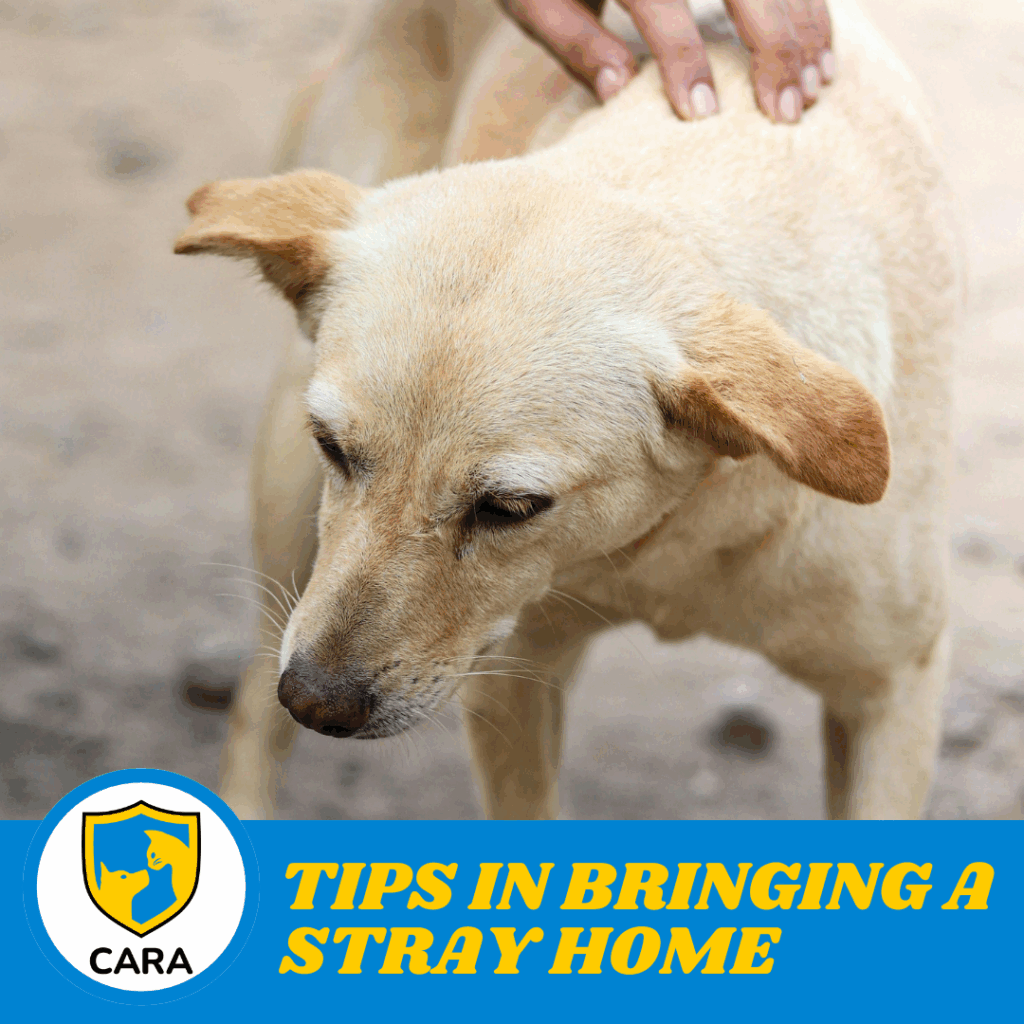
“What if I bring them home?”
You probably see them every day: dogs resting under parked cars, cats darting across sidewalks, or a small puppy waiting by the carinderia for scraps. As of 2025, the Mars Petcare Pet Homelessness Project estimates there are 13.11 million stray cats and dogs in the Philippines. Each of them carries unique stories of survival, and sometimes, one of them catches your heart. You start wondering: what if I just bring them home?
Adopting a stray is a wonderful experience, but it also requires preparation, patience, and a clear understanding of your new responsibilities. Here are practical tips to make that transition safe & rewarding for both you and your new companion:
1. Approach with Care
Before anything else, take it slow. Strays might be scared, injured, or defensive, especially if they’ve had little to no human contact. Move calmly, speak softly, and avoid quick movements. You can try leaving food or water nearby to earn their trust.
If they growl, hiss, or back away, don’t force it. Respecting their space is essential. Building trust takes time, and that’s okay!
A gentle approach is not just kind, it’s safe. Strays are more prone to carrying diseases like rabies or skin infections with their increased exposure to other animals. Never attempt to touch or pick them up right away. It’s better to keep a safe distance until you can bring them to a vet.
2. Vet First, Home Later
Once they’re calm enough to approach, it’s vet time! Before bringing a stray home, take them to a veterinarian for a full checkup. Many strays suffer from parasites, wounds, or illnesses like parvo or respiratory infections. A vet can assess their health, treat what’s needed, and guide you on proper care.
Make sure to ask about vaccinations, deworming, spaying/neutering, and rabies shots. Rabies is still a serious concern in the Philippines and getting them vaccinated protects both your new pet and your household.
If you already have pets, wait for your rescue to be cleared by the vet before letting them meet. This keeps everyone safe and helps your new furry friend recover and adjust inat their own pace.
3. Create A Safe Space
Once they’re cleared, welcome them home with a calm, cozy space. It can be a small room or a quiet corner with food, water, and a comfy spot to rest.
Our first instinct might be to shower them with affection but remember: they may not be ready yet. Some strays have spent months or years in survival, and indoor life can feel overwhelming at first.
Give them time to adjust to new sounds and smells. Loud noises like TVs or doors might startle them, so try to keep things calm while they settle in.
4. Be Patient with their Progress
Don’t worry if they hide, skip meals, or seem distant at first – that’s just your new furry friend keeping themselves safe!
Consistency is key. Maintain regular feeding schedules, speak calmly, and allow them to set the pace for interaction. Over time, you’ll notice small signs of trust: a tail wag, a slow blink, a gentle nudge. These moments are deeply rewarding and a testament to the patience and care you’ve invested.
🏠 Adopt from a Shelter
If your heart’s set on adoption but you’re not ready to rescue directly from the streets, shelters are a great place to start. Organizations like CARA Welfare Philippines make sure rescues are healthy, vaccinated, and ready for adoption! We can also match you with a pet that fits your lifestyle and experience.
Adopting from a shelter gives one animal a second chance and opens space for another stray to be rescued. Visit our adoption page to see if one of our rescues could be the right match for you: www.caraphil.org/pets-for-adoption/
💙 Kindness Comes in Many Forms
Not ready to adopt yet? That’s okay! There are still many ways to help. You can leave food and water for stray cats and dogs, support spay-and-neuter programs or contact animal welfare groups when you see a stray in need of medical attention.
Whether you adopt, foster, or feed a stray, there’s no act of care too big or too small. And if one day, you do decide to open your home to one of them, you’ll see that we don’t always choose them. Sometimes, they’re the ones who choose us. 🐶🐈
References:
https://stateofpethomelessness.com/latest-report/?Country=Philippines